
Rubber & polymer covered rollers
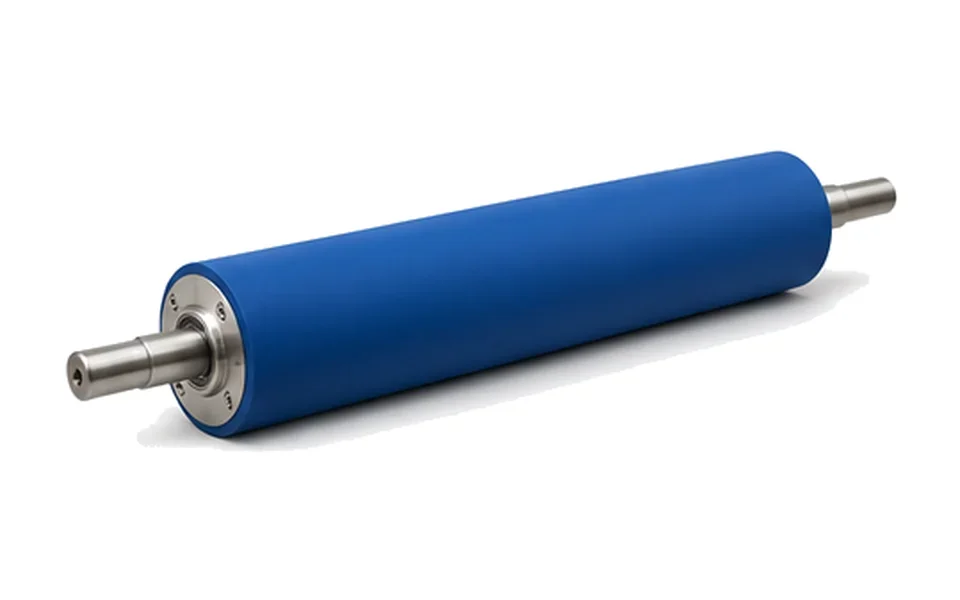
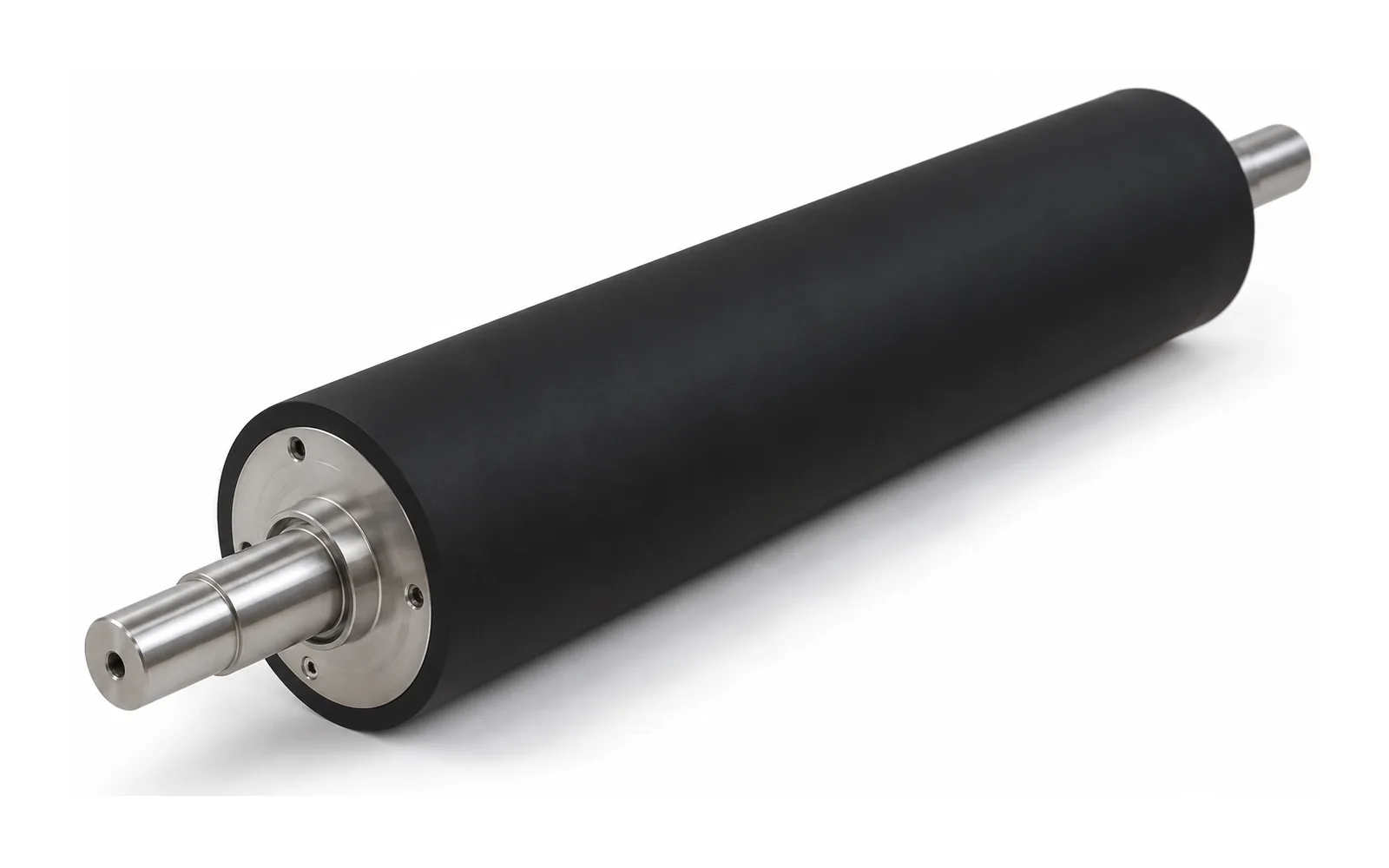
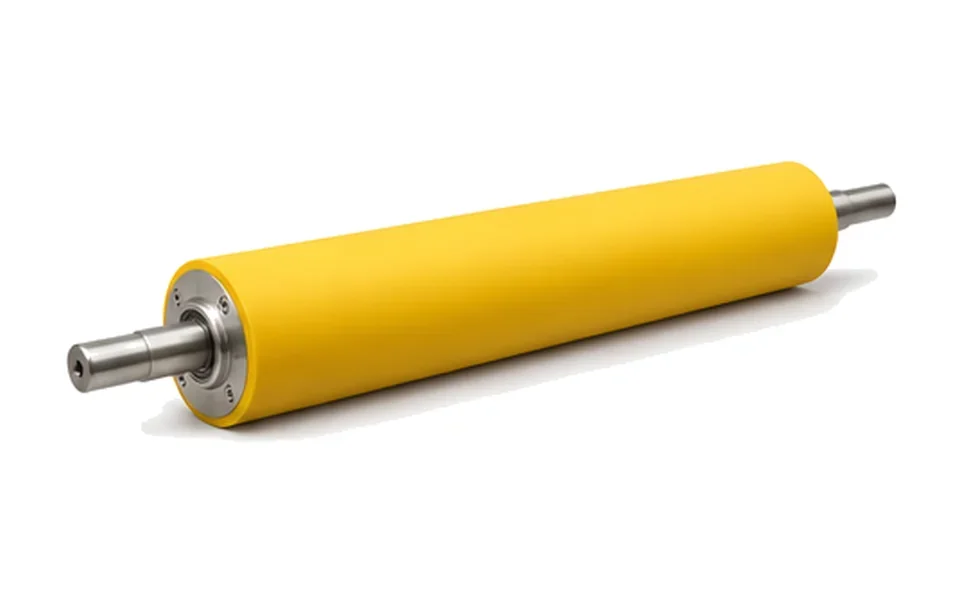
Silicone rubber rollers
Silicone-covered rollers for duties where heat and release matter: hot lamination, coating, embossing, heat sealing and handling tacky materials. Silicone also suits wheels and pads that must not mark the product.
About our silicone rollers
Silicone keeps its properties over a wider temperature range than most rubbers and has a naturally low-stick surface, so adhesives, hot films and coatings release cleanly. Hardness is held to within ±1 Shore A across the face.
Silicone rollers are made as full-length rollers and as short wheels and pads for sealing and conveying. The compound is chosen for the temperature, release and wear in your process.
Key performance features
- Hardness selected for the application
- Uniform hardness across the surface, within ±1 Shore A
- No run-out on the finished diameter with reference to the bearing seats
- Wide choice of covers to resist chemicals and solvents
- Porosity-free surface finish
- Polymer selection and compounding matched to the duty
- Technical support on site and online
Applications
- Heat lamination
- Coating and embossing
- Heat sealing
- Release and non-stick duties
- Sealing and conveying wheels
Objectives
- Best result in the application
- Long service life
- Anti-static
- Good abrasion resistance
- Uniform quality
Materials
Typical cover compounds for silicone rollers. The final choice depends on your inks, chemicals, temperature and hardness requirement.
VMQ
Silicone (VMQ)
-60 °C to +200 °C
High temperature · Release / non-stick · Food-grade compounds available
How we work
From your old roller or drawing to a roller that runs true
01
Roller review
We check your drawing or old roller, confirm diameter, face length, journals and the hardness you need.
02
Cover selection
A cover compound is proposed for the inks, chemicals and temperatures your roller sees in service.
03
Core and covering
The core is prepared or made new, then the cover is applied without porosity and cured.
04
Grinding and inspection
Ground true to the bearing seats, finished as specified, and checked for hardness and run-out before dispatch.
Industries using silicone rollers
FAQ
Silicone Roller: common questions
What temperature can a silicone roller handle?
General-purpose silicone runs continuously at around 200 °C; special grades go higher. Tell us the surface temperature at the nip so the right grade is selected.
Can you re-cover my existing roller?
Yes. The old cover is stripped, the core is inspected and prepared, and a new cover is bonded, cured and ground to size. Re-covering a sound core is usually faster and cheaper than a new roller.
What details do you need to quote?
A drawing or the old roller, finished diameter, face length, journal details, required hardness in Shore A and what the roller contacts (ink, solvent, adhesive, film, heat). Send these through our request a quote form.
Related technical guides
Related rollers
Request a quote for silicone rollers
Share your roller drawing or sample, required hardness and what it contacts. Our team will recommend a cover and respond with a quotation.